
Embracing Diversity in Dance: The Impact of Different Styles on Learning
By Mira Gallagher 4 min read
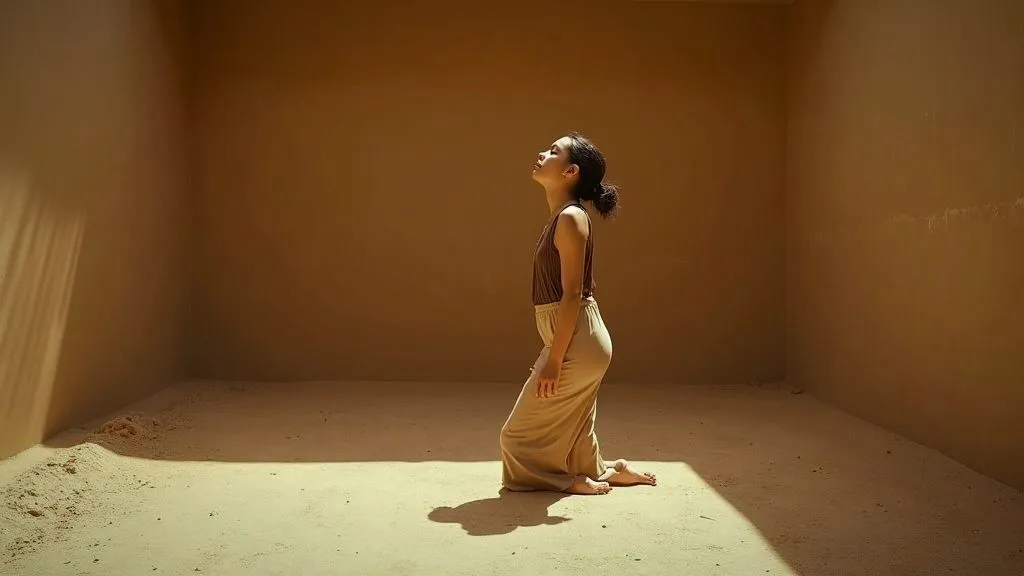
Dance is not merely a form of expression; it is a rich tapestry woven from various cultural threads, each contributing unique movements, techniques, and philosophies. As dancers engage with different styles, they not only broaden their skill sets but also deepen their understanding of the world around them. This article explores how embracing diverse dance styles can enhance a dancer’s growth, creativity, and adaptability.
The Value of Exposure to Different Styles
When dancers immerse themselves in varied styles—be it ballet, hip-hop, contemporary, or folk—they learn to appreciate the nuances that each genre offers. This exposure cultivates versatility, allowing dancers to draw from a wide range of techniques and emotional expressions. For instance, a ballet dancer may find that the fluidity of contemporary dance can enhance their grace, while a hip-hop dancer could benefit from the precision and discipline learned in ballet.
Building a Versatile Skill Set
Versatility is a crucial asset in today’s dance landscape. Many choreographers seek dancers who can effortlessly transition between styles. By exposing themselves to different forms of dance, individuals can develop a more comprehensive skill set. This adaptability is not just advantageous for performances; it also opens doors to a wider array of opportunities in auditions and competitions.
Consider a dancer trained solely in one style who suddenly faces a choreographer demanding a fusion of jazz and modern dance. Without prior exposure to these genres, the dancer may struggle to meet the artistic vision. Conversely, a versatile dancer can easily navigate the demands of diverse choreographic styles, ultimately leading to more fulfilling experiences in dance.
Enhancing Creativity Through Cultural Insights
Dance is deeply rooted in culture, and each style reflects the traditions, stories, and values of the communities from which it originates. Engaging with diverse dance forms allows dancers to tap into these cultural narratives, enriching their artistic expression.
A Broader Perspective
When dancers learn about the cultural context behind various styles, they gain a broader perspective on the art form itself. For example, learning African dance can provide insights into communal storytelling and rhythmic patterns that may influence a dancer's approach to choreography. Similarly, experiencing classical Indian dance forms can enhance a dancer's understanding of intricate footwork, expressive hand gestures, and facial expressions.
By integrating these cultural elements into their practice, dancers can create more profound and meaningful performances. The nuances and subtleties learned through different styles also encourage originality, pushing dancers to experiment and innovate in their own work.
Developing Physical and Mental Strength
Each dance style offers unique physical demands that contribute to overall fitness and well-being. The rigorous training associated with ballet enhances strength, flexibility, and posture. In contrast, styles like hip-hop focus on rhythm, agility, and body control. Engaging in multiple styles not only promotes physical balance but also fosters mental resilience.
Overcoming Challenges
The challenges that come with learning a new dance style can significantly contribute to a dancer's personal growth. Facing the difficulties of mastering a new technique demands perseverance and determination. For instance, a dancer accustomed to the structured environment of ballet may find the improvisational elements of jazz intimidating. However, overcoming this hurdle can foster confidence and a growth mindset.
Through diverse training, dancers learn to embrace discomfort and challenge themselves. This resilience transcends dance and can positively impact their daily lives, enhancing problem-solving skills and adaptability in various situations.
Creating Community and Shared Experiences
Dance has an inherent ability to bring people together. When dancers participate in different styles, they often join new communities and forge connections with individuals from various backgrounds. These interactions enrich their experience and foster a sense of belonging.
Collaboration and Communication
Dancing alongside individuals from diverse styles encourages collaboration. Dancers learn to communicate through movement, bridging gaps between different techniques and philosophies. This exchange of ideas can lead to innovative choreography and performances that reflect a melting pot of influences.
Moreover, participating in workshops, competitions, or dance festivals that celebrate various styles can create lasting friendships and networks. The shared experiences in these communal settings promote a sense of unity and support, essential for personal and artistic development.
The Role of Educators in Promoting Diversity
Dance educators play a crucial role in promoting a diverse curriculum that encourages students to explore various styles. By integrating a wide range of genres into their teaching, instructors can inspire their students to step outside their comfort zones.
Encouraging Exploration
Educators should encourage students to experiment with styles beyond their primary focus. Offering workshops or guest classes from different styles can expose students to new techniques and ideas. Additionally, providing resources that explore the history and cultural significance of various dance forms can deepen their appreciation and understanding.
By fostering an environment that values diversity, educators empower their students to become well-rounded dancers. This holistic approach not only enhances technical skills but also nurtures creativity and emotional expression.
Conclusion: A Dance Journey of Lifelong Learning
Embracing diverse dance styles is more than just an exercise in technique; it is a journey of discovery that fosters creativity, resilience, and community. Dancers who engage with various forms expand their horizons, gaining invaluable insights that enrich their artistry.
In a world where the dance landscape continues to evolve, the ability to adapt and innovate will be key to success. By actively seeking out new experiences and learning from different styles, dancers can cultivate a lifelong passion for movement and expression. Ultimately, the journey through the diverse world of dance is an invitation to connect, grow, and celebrate the beauty of artistic diversity.