
Navigating the World of Ballet Schools: Choosing the Right Fit for Your Dancer
By Mira Gallagher 4 min read
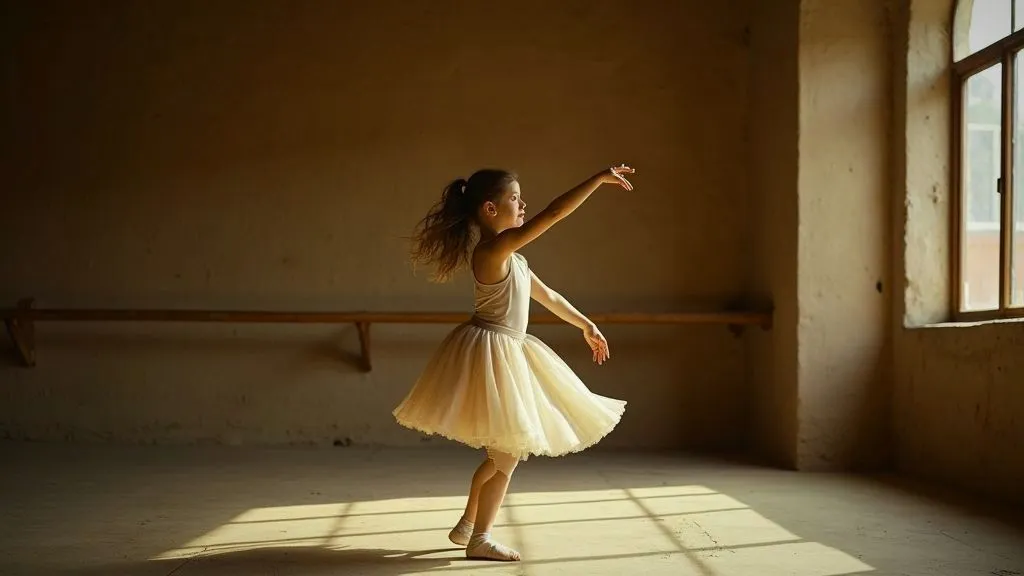
Choosing a ballet school can feel overwhelming, especially for parents and young dancers just beginning their journey. With various options, styles, and teaching philosophies, finding a school that aligns with your goals and values is essential. This article aims to guide you through the decision-making process, helping you choose the right ballet school that suits your child's needs.
Understanding Your Dancer’s Goals
Before you even start researching local ballet schools, it's crucial to understand your dancer’s aspirations. Does your child dream of becoming a professional ballerina, or are they looking for a fun, recreational experience? Perhaps they are somewhere in between, wanting to explore their passion for dance without the pressure of a professional career.
Recreational vs. Professional Training
Recreational programs are typically designed for students who want to enjoy dance as a hobby. These classes are often less intense, focusing on fun, creativity, and basic technique. On the other hand, professional training programs are rigorous and often require a significant time commitment. Students who aspire to dance professionally will generally need to attend more frequent classes, participate in auditions, and attend summer intensives.
Understanding your dancer’s goals will help you filter choices and narrow down your options.
Researching Ballet Schools
Once you have a clear idea of what you’re looking for, it's time to explore the ballet schools available in your area. Start with a list of potential candidates, and then dive deeper into each one.
Class Offerings and Curriculum
Different ballet schools have unique curricula tailored to various age groups and skill levels. Look for schools that provide a clear outline of their class offerings, including ballet levels, styles, and additional dance genres like jazz or contemporary.
Many schools also offer specialized programs for young dancers. For example, they might have pre-ballet classes designed for younger children or summer programs that focus on intensive training. Understanding what each school offers will help you find the best fit for your child.
Credentials and Experience of Instructors
The quality of instruction plays a crucial role in a dancer's development. Research the instructors’ backgrounds, training, and experience. Look for teachers who have a solid ballet foundation and are also passionate about nurturing young talent. Instructors with performance backgrounds or those who have studied at reputable dance academies can bring valuable insight to their classes.
School Culture and Environment
Every ballet school has its unique culture, which can greatly influence your child’s experience. Some schools may foster a competitive atmosphere, while others prioritize collaboration and personal growth. Schedule a visit to potential schools to observe classes, interact with instructors, and gauge the environment.
It's also a good idea to talk to parents and students currently involved with the school. Their insights can provide a clearer picture of the school's culture and values.
Financial Considerations
Ballet education can be an investment. Tuition costs can vary significantly based on the school, the quality of instruction, and the type of program offered. Be sure to inquire about the total costs involved, including registration fees, recital fees, and any additional charges for costumes or special performances.
Scholarships and Financial Aid
Many reputable ballet schools offer scholarships or financial aid programs to help families manage costs. Don’t hesitate to ask about these options if you find a program that seems like a perfect fit but might be outside your budget.
Trial Classes and Open House Events
Once you have narrowed down your options, consider enrolling your child in trial classes or attending open house events. These experiences allow both you and your child to see how they fit into the school's environment. Observe how the teacher interacts with the students, the class size, and how the students respond to the instruction.
Feedback and Assessments
Observe how easily your child adapts to the class and how they feel afterward. Encourage them to share their thoughts about the experience. This feedback is invaluable as it can reveal their comfort level and excitement about continuing their ballet journey.
The Importance of Community
A strong sense of community can enhance your child's ballet experience. Look for schools that prioritize building relationships among students and families. A supportive community can lead to friendships that last well beyond dance classes and provide a network of encouragement during challenges.
Parent Involvement
Consider how involved parents are in the school. Some schools may host events, fundraisers, or volunteer opportunities that can deepen your connection to the dance community. Schools that encourage parent participation can create a more enriching experience for both dancers and their families.
Making the Final Decision
After gathering information, visiting schools, and assessing your dancer’s preferences, it's time to make a decision. Trust your instincts and consider all factors, including your child’s enthusiasm, the school’s culture, and the quality of instruction.
Long-Term Commitment
Keep in mind that ballet is often a long-term commitment, especially if your child is serious about pursuing it. Be prepared for the possibility that your child may want to switch schools as they progress, so remain flexible and supportive throughout their dance journey.
In conclusion, selecting the right ballet school for your dancer is a significant choice that can shape their development, skills, and love for dance. By understanding your child's goals, researching options thoroughly, and observing classes, you'll be well-equipped to make an informed decision that will enrich their ballet experience. With the right school, your child can thrive, grow, and truly embrace the beauty of ballet.