
Exploring the Science Behind Dance: How Movement Affects the Brain
By Mira Gallagher 4 min read
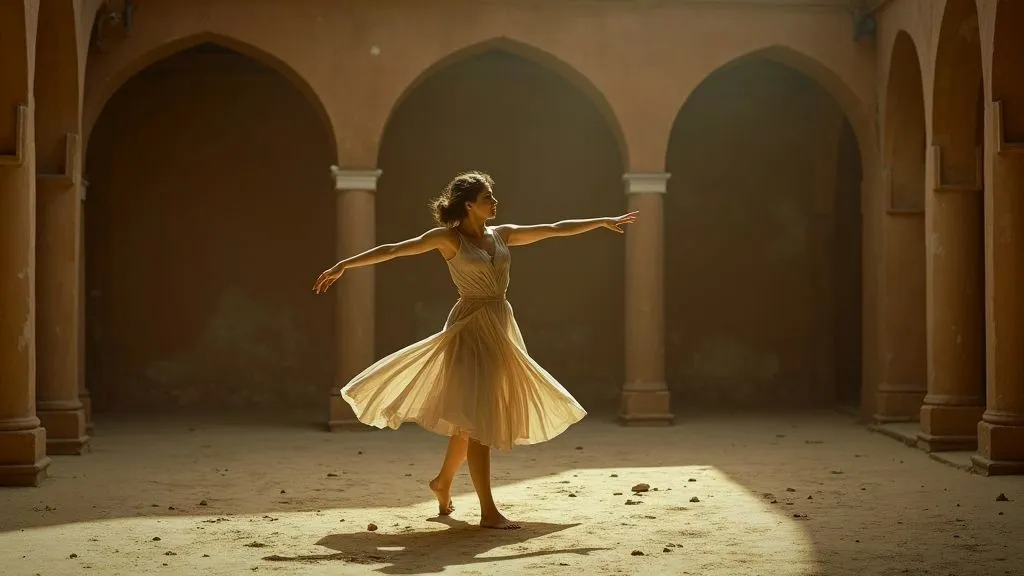
Dance is often seen as a vibrant form of self-expression, a way to connect with others, or simply an enjoyable pastime. However, the effects of dance extend far beyond the physical realm; they delve deep into the intricacies of our brain and cognitive function. This article explores the fascinating relationship between dance and the brain, revealing how movement not only enhances creativity and emotional well-being but also improves cognitive abilities.
The Neurological Impact of Dance
When we dance, our brains are engaged in a complex interplay of activities. Recent studies have shown that dance stimulates various regions of the brain, promoting neural connectivity and enhancing cognitive function. This effect is particularly pronounced in four key areas:
1. Motor Skills and Coordination
Engaging in dance requires a significant amount of coordination and bodily awareness. The cerebellum, responsible for motor control, is particularly active during dance. This part of the brain helps improve balance and coordination, making it easier to perform intricate movements. As dancers learn new routines, they challenge their motor skills, leading to increased dexterity and improved overall physical performance.
2. Memory Enhancement
Dance also has a profound impact on memory. Learning choreography requires memorization, which engages the hippocampus, a region of the brain associated with learning and memory formation. Studies have shown that dancers often have superior memory skills compared to non-dancers. The repetitive nature of dance practice reinforces memory retention, aiding not only in dance but in other areas of life.
3. Emotional Regulation
One of the most remarkable aspects of dance is its ability to influence emotional well-being. Physical movement releases endorphins, the feel-good hormones that reduce stress and promote feelings of happiness. Dance can serve as an emotional outlet, helping individuals express feelings that may be difficult to articulate verbally. The rhythm and flow of dance also help regulate emotions, providing a cathartic experience that enhances mental health.
4. Cognitive Flexibility
Cognitive flexibility, or the ability to adapt thinking to new information and changing environments, is another benefit of dance. Engaging in dance requires quick decision-making, spatial awareness, and improvisation, all of which stimulate the prefrontal cortex. This area of the brain is involved in higher-order thinking, problem-solving, and social interactions. As dancers navigate complex patterns and rhythms, they become more adept at thinking on their feet, a skill that translates well into everyday life.
The Social Aspect of Dance
Dance is inherently social, often performed in groups or pairs. This social component contributes to cognitive benefits as well. Group dance classes or social dance settings encourage communication and collaboration, enhancing social skills and creating a sense of community.
Building Social Connections
The connections formed through dance can lead to lasting friendships, and studies suggest that social interactions can have positive impacts on mental health. Engaging with others in a dance setting helps reduce feelings of loneliness and isolation. Additionally, the shared experience of dance fosters empathy and understanding, creating stronger bonds among participants.
The Role of Dance in Cultural Identity
Dance is a universal language, transcending borders and cultures. It serves as a reflection of cultural identity and community values. Engaging in traditional dance forms can strengthen individuals' ties to their heritage and community, creating a sense of belonging. This connection can enhance personal well-being and provide a strong support network.
Dance as a Tool for Lifelong Learning
Dance education goes beyond physical training; it fosters a variety of skills that are beneficial throughout life. Many dance programs emphasize creativity, discipline, and teamwork—qualities that are invaluable in both personal and professional settings.
Encouraging Lifelong Creativity
The structure of dance classes often encourages participants to explore their creativity. Whether through improvisational exercises or choreographing original pieces, dancers learn to think outside the box. This creative thinking can enhance problem-solving skills in other areas of life, making individuals more adaptable and innovative.
Discipline and Commitment
Dancing requires a significant amount of practice and dedication. The discipline learned through consistent practice can translate into other aspects of life, such as academics or career pursuits. Dancers often develop a strong work ethic, learning to set goals and work tirelessly to achieve them.
Conclusion: The Holistic Benefits of Dance
The relationship between dance and brain function is a captivating field of study that highlights the holistic benefits of movement. Not only does dance improve physical health and fitness, but it also enhances cognitive abilities, emotional well-being, and social connections.
For individuals looking to enrich their lives, engaging in dance can be a transformative experience. Whether for fun, fitness, or self-expression, the neurological and psychological benefits of dance are too significant to overlook. As we continue to explore the science behind this art form, it becomes increasingly clear that dance is far more than just movement; it’s a powerful tool for personal growth and well-being.