
How Dance Can Enhance Focus and Discipline in Young Learners
By Mira Gallagher 4 min read
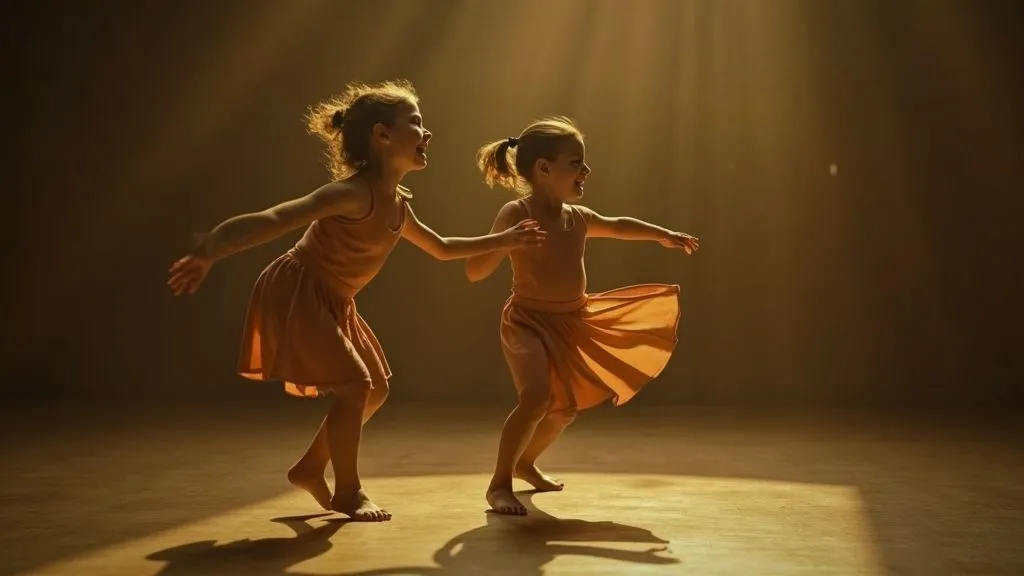
Dance is not merely an art form; it's a complex system of movement that intertwines physicality with cognitive development, emotional expression, and social interaction. For young dancers, the benefits of dance extend beyond the stage or the studio; they provide invaluable skills that can enhance focus and discipline in various aspects of life. This article delves into how engaging with dance can cultivate these essential attributes in children and teenagers.
The Mind-Body Connection in Dance
Understanding the Dynamics
At its core, dance is an embodied experience. Each step, turn, and leap requires a conscious effort to coordinate the body with the mind. This dynamic fosters a unique connection between mental focus and physical execution. As dancers work to remember choreography, they simultaneously engage their cognitive faculties, enhancing their ability to concentrate.
Neuroplasticity and Learning Through Dance
Research indicates that physical activity can lead to neuroplasticity, the brain's ability to form new neural connections. When children engage in dance, they are not just learning sequences of movements but are also enhancing their memory and problem-solving skills. The repetitive nature of practice helps solidify new information, making it easier for young learners to focus on tasks outside the dance studio.
Discipline Through Structured Learning
The Importance of Routine
Dance classes are often structured with a clear progression of skill development. This structure instills a sense of discipline as young dancers learn to follow a routine. The practice of arriving on time, preparing for class, and adhering to the instructor's guidance fosters responsibility and commitment—qualities that are crucial in life beyond dance.
Goal Setting and Achievement
In dance, achieving specific goals—be it mastering a technique, preparing for a performance, or advancing to a higher level—requires dedication and perseverance. Young dancers learn the importance of setting realistic goals and the hard work needed to achieve them. This process teaches resilience and the understanding that discipline is necessary for success.
The Role of Social Interaction
Working in Teams
Many forms of dance, such as ballet, jazz, or contemporary, involve ensemble performances. Dancers must collaborate with peers, synchronizing their movements while respecting each other’s space and timing. This teamwork cultivates social skills and enhances focus, as each dancer must be attuned to their companions to ensure a cohesive performance.
Building Confidence and Communication Skills
Performing in front of an audience also develops a dancer's confidence. The act of sharing their art can empower young individuals, teaching them to express themselves and communicate effectively. Developing these skills in a supportive environment can enhance their focus in social situations, making them more at ease in group settings.
Overcoming Challenges and Learning Resilience
Confronting Performance Anxiety
Every dancer encounters nerves before a performance. Learning to manage this anxiety is a vital part of the dance experience. Young dancers practice techniques to ground themselves, enhance their focus, and remain disciplined, even when faced with pressure. This ability to cope with anxiety and perform under stress can translate to academic settings, helping students stay calm during exams or presentations.
Embracing Failure
In dance, not every performance will go as planned. Young dancers learn that mistakes can be valuable learning experiences. Embracing failure as part of the journey fosters a growth mindset, where focus and discipline are necessary to improve and refine their skills. This lesson is critical in all areas of life, teaching students to remain dedicated, even when faced with setbacks.
The Impact of Dance on Academic Performance
Research Findings
Numerous studies have shown a correlation between engagement in the arts, including dance, and academic performance. The skills developed through dance—such as improved memory, focus, and discipline—have been linked to better outcomes in subjects like math and reading. Young dancers often exhibit higher levels of concentration in the classroom, likely stemming from their training in maintaining focus during practice and performance.
Enhancing Creativity and Problem-Solving
Dance encourages creative thinking, as dancers often have to interpret music and express emotions through movement. This creative engagement stimulates different areas of the brain, leading to enhanced problem-solving abilities. The skills developed in dance can help students think outside the box in academic and personal challenges, making learning more dynamic and effective.
Conclusion
The multifaceted nature of dance provides far-reaching benefits for young learners, particularly in enhancing focus and discipline. Through the mind-body connection, structured learning, social interaction, resilience building, and academic improvement, dance serves as a powerful tool for personal development. Encouraging young people to explore dance can set them on a path to becoming focused, disciplined individuals who are well-equipped to tackle the challenges that life presents. Whether as a hobby or a serious pursuit, the impact of dance on young minds is profound and lasting.