
Discovering the Rhythm: How Dance Fosters Community and Connection
By Mira Gallagher 4 min read
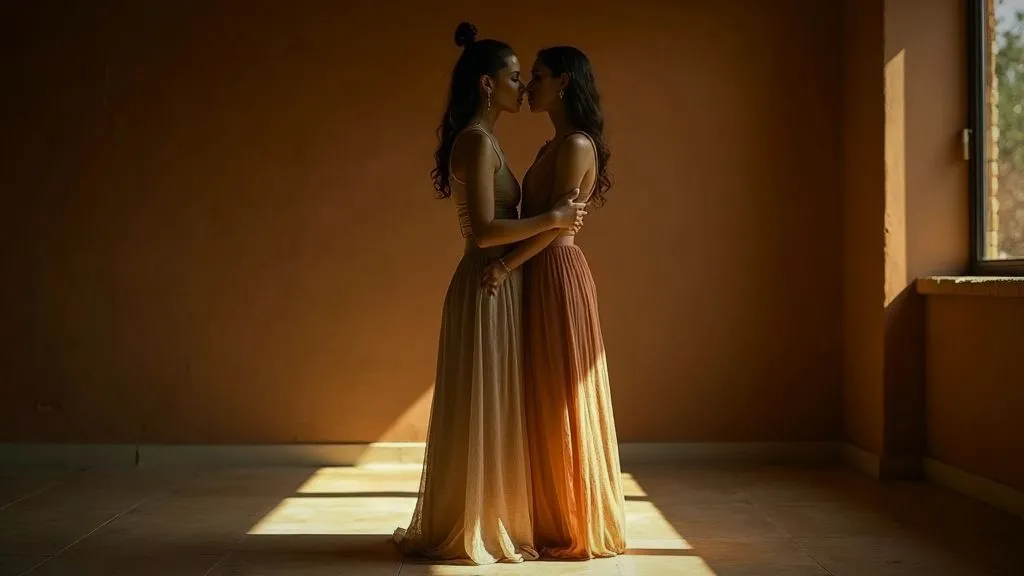
Dance is more than just a series of movements set to music; it’s a vibrant art form that cultivates community and connection among individuals. Whether you are participating in a local dance class, attending a performance, or simply enjoying a night out at a dance event, the shared experience of dance can create bonds that transcend age, background, and skill level. In this article, we delve into the ways dance fosters connections and builds communities, revealing its powerful impact on our lives.
The Social Aspect of Dance
Dance as a Shared Experience
At its core, dance is an inherently social activity. From folk dances that have been passed down through generations to modern dance parties, the act of moving together to a shared rhythm fosters a sense of belonging. When individuals participate in dance, they engage with one another in a unique way. This shared experience can lead to friendships and connections that may not have occurred in more traditional social settings.
Community Dance Events
Many communities organize dance events, such as festivals, workshops, or social dances, where people can come together to learn and celebrate. These events are often inclusive, inviting people from all walks of life to participate. The atmosphere is typically supportive, encouraging everyone to join in, regardless of their skill level. This inclusivity is a strong foundation for community building.
For instance, community dance classes often attract a diverse group of participants, allowing individuals to meet new people while learning something new. The shared goal of mastering a routine or simply enjoying the music creates an environment where friendships can blossom.
The Role of Dance in Cultural Identity
Preserving Traditions Through Dance
Dance often serves as a powerful tool for cultural expression and identity. Many cultures have traditional dances that tell stories, celebrate community events, or mark significant life milestones. These dances preserve history and cultural heritage, allowing communities to maintain a connection to their roots.
When individuals partake in cultural dance forms, they not only learn about the movements but also the stories and traditions behind them. This understanding fosters a deeper appreciation for the culture, promoting respect and harmony among diverse groups.
Cross-Cultural Connections
Dance can also act as a bridge between cultures. In multicultural societies, dance schools may offer classes in various styles, such as salsa, hip-hop, or Bollywood, inviting everyone to explore different cultural expressions. This cross-cultural exchange enriches the community, fostering understanding and appreciation among participants.
By participating in dances from different cultures, people can experience new perspectives, share their own stories, and ultimately create a more cohesive community.
Mental Health Benefits and Connection
The Emotional Release of Dance
Engaging in dance can be an emotional release, allowing individuals to express feelings that may be difficult to articulate. This form of expression can be particularly helpful in reducing stress and anxiety, promoting mental well-being. In group settings, sharing this emotional experience can lead to stronger bonds among participants.
In a dance class, for example, individuals may find themselves laughing, crying, or celebrating together. This shared emotional journey fosters a sense of camaraderie and support, often leading to the formation of close friendships.
Building Support Networks
Dance communities often serve as support networks, providing a safe space for individuals to share personal challenges and triumphs. These networks can be particularly beneficial for those who may feel isolated in their daily lives.
Through dance, individuals can find encouragement and inspiration from their peers, creating a sense of accountability. As dancers work towards personal goals, the support from fellow dancers can make the journey more enjoyable and fulfilling.
The Impact of Dance on Youth Development
Building Confidence and Social Skills
Youth dance programs play a crucial role in fostering social skills and confidence in children and teenagers. Participating in group classes helps young dancers learn teamwork, discipline, and responsibility. They also gain essential social skills by interacting with their peers in a fun and engaging environment.
As young dancers progress and perform in front of audiences, they build self-esteem and confidence. These skills often translate beyond the dance floor, positively impacting their academic and personal lives.
Creating Lifelong Friendships
Dance classes for youth often become a breeding ground for lifelong friendships. The shared experience of learning, rehearsing, and performing together creates bonds that can last for years. These friendships provide a sense of belonging, encouraging young dancers to remain engaged in the art form and their community.
Dance as a Form of Activism
Using Dance to Promote Change
In recent years, dance has also become a powerful medium for activism and advocacy. Dance companies and community groups often use performances to raise awareness about social issues, such as equality, environmental concerns, and mental health.
These performances can unite communities for a common cause, inspiring individuals to take action. By rallying around a shared goal, dance fosters a sense of purpose and connection among participants.
Empowering Marginalized Voices
Dance also serves as a platform for marginalized voices to be heard. Many dance groups focus on representation and inclusivity, providing opportunities for individuals from diverse backgrounds to express themselves. This empowerment not only aids personal growth but also builds a more inclusive community.
Conclusion
The art of dance is a remarkable force for building community and fostering connection. From bringing people together in local classes and events to preserving cultural traditions and promoting social change, dance enriches our lives in countless ways.
As we continue to explore and engage with dance in all its forms, we also open ourselves up to the potential for deeper connections with those around us. Whether you’re a seasoned dancer or just starting your journey, remember that every step you take is part of a larger rhythm that binds us all together. Embrace the connections that dance can create, and let them inspire you to engage with your community in new and meaningful ways.