
The Intricate Dance of Cultures: How Global Traditions Shape Modern Dance
By Mira Gallagher 4 min read
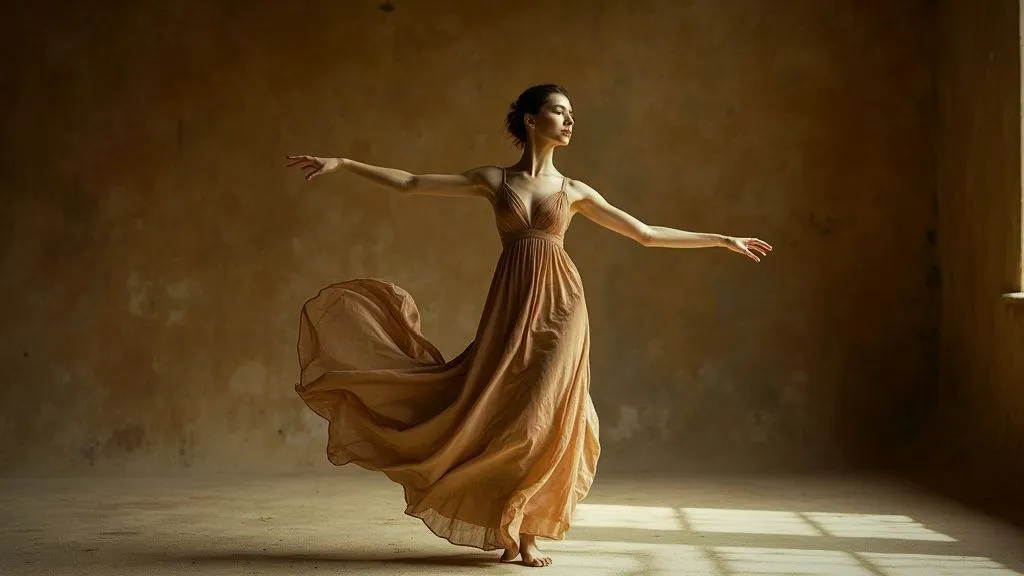
Dance is a universal language, transcending barriers of culture, geography, and time. Within this language lies a rich tapestry woven from the threads of various cultural traditions. As we explore the intricate connections between traditional dance forms and contemporary styles, we uncover how global influences continuously shape the evolution of dance today.
The Roots of Cultural Dance
At its core, cultural dance serves as a reflection of a community's identity, history, and values. From the vibrant rhythms of African tribal dances to the intricate footwork of Irish step dancing, each style tells a unique story. These traditional forms often encompass rituals, celebrations, and social gatherings, reinforcing bonds within communities.
Take, for example, the various folk dances around the world. Each region boasts its own distinctive moves, costumes, and music. The Flamenco of Spain, with its passionate footwork and clapping rhythms, captures the essence of Spanish culture, while the Native American powwow dances celebrate heritage and communal identity. Such traditional dances not only preserve cultural narratives but also provide a platform for intergenerational dialogue.
Bridging Tradition and Modernity
As globalization continues to blur boundaries, the world of dance has become increasingly interconnected. Modern choreographers are often inspired by traditional styles, blending them with contemporary techniques to create innovative performances. This fusion not only honors the roots of dance but also introduces these traditions to broader audiences.
One notable example is the integration of African dance elements into hip-hop. Originating from the rhythms and movements of African heritage, this melding creates a dynamic form of expression that resonates with both history and modernity. Choreographers like Alvin Ailey have been pivotal in this regard, showcasing how traditional African influences can coexist with contemporary dance forms, enriching the narrative and aesthetic of their work.
The Role of Cultural Exchange in Dance Evolution
Cultural exchange plays a significant role in the continuous evolution of dance. International collaborations, dance festivals, and cultural exchanges have facilitated the sharing of styles and techniques across borders. Dancers and choreographers from different backgrounds come together, learning from each other and creating new forms of expression.
Consider the impact of dance festivals like the International Dance Festival, where artists from various nations showcase their work. These interactions foster a spirit of creativity, encouraging artists to experiment and innovate. The result is a vibrant landscape of dance that reflects a multitude of influences, transcending traditional boundaries.
The Influence of Technology on Dance
In recent years, technology has emerged as a significant force in the evolution of dance. Digital platforms allow for the sharing of dance performances worldwide, enabling cultures to engage with one another more easily than ever. Social media has become a powerful tool for dancers to showcase their work, gain recognition, and inspire others.
Moreover, technology has led to new forms of dance that merge physical performance with digital elements. Projects that incorporate augmented reality or video projections create immersive experiences that resonate with contemporary audiences. These innovations not only enhance performances but also challenge the traditional notions of what dance can be.
Preserving Tradition in a Modern Context
While the blending of cultural influences fosters creativity, there remains a crucial need to preserve traditional dance forms. As modern styles evolve, there is a risk that the significance of these cultural dances may be overshadowed. It is essential, therefore, to strike a balance between innovation and preservation.
Dance companies and community organizations play an important role in this preservation. Through workshops, performances, and educational programs, they ensure that traditional forms of dance are passed down to future generations. These initiatives not only celebrate cultural heritage but also encourage individuals to connect with their roots.
The Future of Dance: A Global Perspective
As we look toward the future, the landscape of dance will undoubtedly continue to evolve. The increasing interaction between cultures, driven by migration and technological advancements, will shape the next generation of dancers. It is likely that we will see further blending of styles, creating new genres that reflect the diversity of our global society.
However, this future will also depend on our commitment to honoring the past. By valuing traditional dance forms and the stories they tell, we pave the way for a vibrant future where cultural influences coexist harmoniously. Dancers, choreographers, and audiences alike have an important role in ensuring that the narratives embedded in these dances are not lost.
Conclusion: Dance as a Reflection of Humanity
The intricate interplay between cultures in the realm of dance serves as a powerful reminder of our shared humanity. Dance has the ability to unite individuals from diverse backgrounds, fostering understanding and appreciation for one another's stories. As we celebrate the rich tapestry of global dance traditions, we acknowledge their role in shaping contemporary expression.
In the end, dance is not just about movement; it's about connection, expression, and the celebration of cultural identities. By engaging with and honoring both traditional and modern forms, we ensure that this captivating art form continues to thrive and inspire future generations.