
Unlocking Creativity: The Role of Dance in Personal Expression
By Mira Gallagher 3 min read
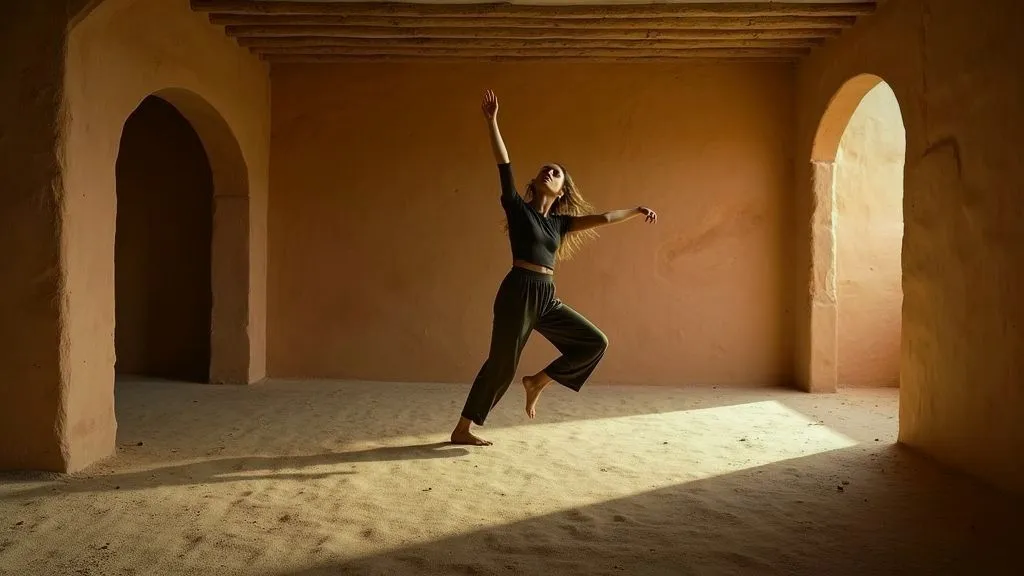
Dance is a universal language, transcending borders and cultures. For many, it serves as a medium for self-expression, encapsulating emotions and stories that words often fail to convey. This article delves into how dance allows individuals to unlock their creativity, enhancing their emotional intelligence and personal growth.
The Connection Between Dance and Emotion
Dance has an intrinsic relationship with emotion. Each movement can express feelings ranging from joy to sorrow, making it a powerful outlet for emotional release. Many dancers find that when they step onto the floor, they enter a space where they can communicate their innermost thoughts and experiences without uttering a single word.
The Science Behind Dance and Emotion
Research indicates a strong connection between physical movement and emotional responses. When we dance, our bodies release endorphins, which can lead to feelings of happiness. This biological response is complemented by the psychological aspect of dance, where individuals can articulate their feelings through movement. Dancers often report that the act of dancing helps them to process complex emotions, making it a therapeutic practice.
In a study conducted with various participants, those who engaged in dance reported higher levels of emotional well-being compared to those who did not. This suggests that the act of dancing facilitates a deeper understanding of one’s emotional landscape.
Dance as a Tool for Personal Growth
Engaging in dance encourages individuals to explore their identities. Through various dance styles—from ballet to hip-hop—participants can experiment with different facets of themselves. This exploration can lead to significant personal growth.
Breaking Out of Comfort Zones
Taking dance classes often involves stepping out of one’s comfort zone. Whether it's learning a new style or performing in front of others, these experiences can build confidence. Overcoming the initial fear of making mistakes or being judged in a dance class fosters resilience. Many dancers find that the skills they gain on the dance floor translate into other areas of their lives.
Embracing Vulnerability
Dance teaches individuals to embrace vulnerability. Sharing personal stories through movement requires courage, as it exposes the dancer to the audience’s gaze. This can be a liberating experience, allowing dancers to shed insecurities and embrace their authentic selves. The process of creating and performing can also deepen connections with others, as audiences resonate with the emotions conveyed.
The Power of Improvisation
Improvisation is a fundamental aspect of many dance forms, particularly in contemporary styles. This spontaneous movement encourages dancers to tap into their creative instincts without the constraints of choreography.
Cultivating Creativity
Improvisational dance stimulates the brain's creative centers. It allows dancers to explore new ideas, experiment with movements, and make real-time decisions. This freedom can lead to unique expressions that might not emerge in structured routines. Dancers often describe improvisation as a meditative experience, where they feel connected to their bodies and surroundings.
Enhancing Problem-Solving Skills
The skills learned through improvisational dance extend beyond the dance floor. Dancers develop problem-solving abilities as they navigate how to express their feelings in real-time. This kind of creative thinking can be invaluable in other areas of life, including work and personal relationships. The ability to adapt and innovate is a highly sought-after skill in today’s ever-changing world.
Dance as a Community Builder
Engaging in dance often fosters a sense of community. Whether in a formal class setting or a casual gathering, dance brings people together, creating bonds that can last a lifetime.
Shared Experiences
Participating in group dance sessions allows individuals to share experiences and connect on a deeper level. These shared moments create a sense of belonging, which is essential for emotional well-being. Through dance, people can forge friendships, support one another, and celebrate each other’s successes.
Cultural Exchange
Dance is also a medium for cultural exchange. Many styles have roots in specific cultural traditions, and learning these dances can provide insights into different ways of life. This understanding fosters respect and appreciation for diversity, enriching the community as a whole.
Conclusion: Dance as a Lifelong Journey
Dance is much more than a series of movements; it is a journey of self-discovery and personal expression. By unlocking creativity through dance, individuals can enhance their emotional intelligence, develop problem-solving skills, and build meaningful connections with others.
Whether you are a seasoned dancer or just starting, consider how dance can enrich your life. Embrace the opportunity to express yourself through movement, and discover the transformative power that dance holds. As you step onto the dance floor, remember that every movement is a chance to tell your story and connect with the world around you.