
The Unseen Benefits of Dance: More Than Just Movement
By Mira Gallagher 4 min read
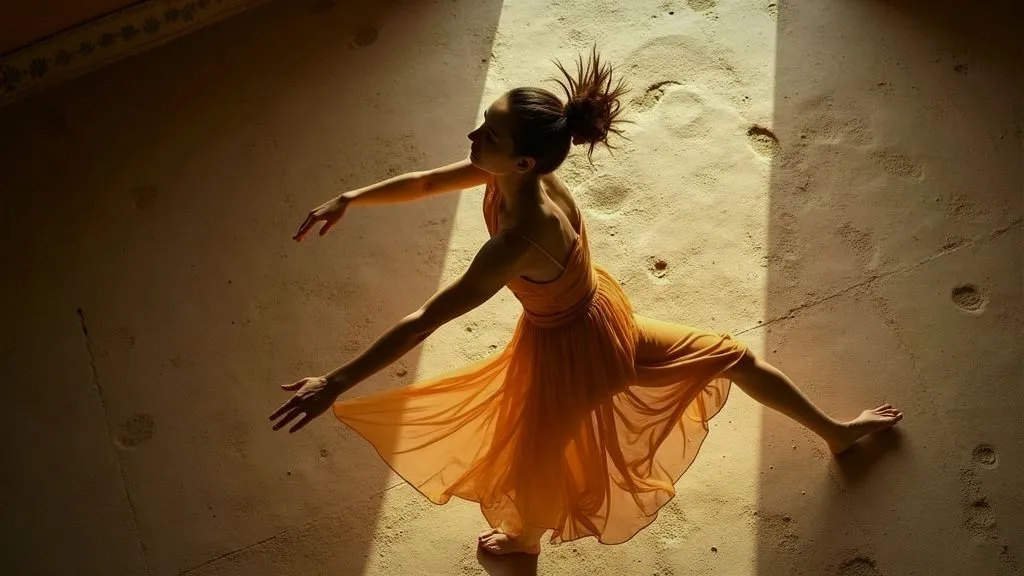
Dance is often perceived as an art form, a means of expression, or even a competitive sport. While many people engage with dance for its aesthetic or social appeal, the underlying benefits extend far beyond the studio or stage. From enhancing physical health to fostering emotional well-being and social connections, dance can significantly impact various aspects of life. This article explores the often-overlooked advantages of dance, providing deeper insights into its holistic benefits.
Physical Health Benefits
Cardiovascular Fitness and Strength
One of the most immediate benefits of dancing is its impact on physical health. Engaging in dance requires a combination of vigorous movement and endurance, making it an excellent cardiovascular workout. Styles such as salsa, hip-hop, and ballroom can elevate heart rates, improve circulation, and enhance lung capacity.
Moreover, different dance forms emphasize various muscle groups. Ballet, for instance, strengthens the core and legs, while jazz and tap can improve agility and coordination. Regular participation in dance can lead to improved muscle tone, increased flexibility, and enhanced overall strength.
Weight Management
Incorporating dance into your fitness routine can also be a fun and effective way to manage weight. A typical dance class can burn between 300 to 600 calories per hour, depending on the intensity and style of dance. Unlike traditional workouts, dance keeps participants engaged and motivated, making it less likely for them to perceive it as a chore. The rhythmic movements and social interaction often make people forget they are even exercising, which can lead to more consistent attendance and improved results.
Mental and Emotional Well-being
Stress Relief
Dance serves as a powerful outlet for stress relief. The physical act of moving to music can release endorphins, which are natural mood elevators. This biochemical reaction can help alleviate feelings of anxiety and depression. Engaging in dance allows individuals to disconnect from daily stresses, providing a sense of freedom and release.
Moreover, learning choreography and focusing on dance can serve as a form of mindfulness, helping individuals concentrate on the present moment. This focus can facilitate a break from negative thoughts, allowing for emotional clarity and relaxation.
Building Confidence and Self-esteem
For many, dance can be a transformative experience that builds confidence and self-esteem. Learning new steps, performing in front of others, or even receiving constructive feedback can bolster self-worth. As dancers master new skills, they often experience a sense of achievement that can translate to other aspects of life.
Furthermore, dance encourages self-expression. Participants often explore their emotions through movement, helping them to articulate feelings they may struggle to convey verbally. This practice can foster a deeper understanding of oneself and promote self-acceptance.
Social Connections
Community and Belonging
The social aspect of dance is one of its most enriching benefits. Whether in a dance class, a social dance event, or a competition, the interaction with others creates a sense of community and belonging. Many individuals find a supportive network among fellow dancers, fostering friendships that can last a lifetime.
In group classes, dancers often collaborate and communicate, enhancing their interpersonal skills. This social engagement can reduce feelings of loneliness and isolation, particularly for those who may struggle to connect with others in different settings. The shared experience of dancing can create bonds that transcend cultural or social boundaries.
Cross-Cultural Understanding
Dance is a universal language, transcending the barriers of speech and culture. Many dance forms originate from specific cultures, offering insight into their traditions and histories. Participating in various styles can deepen appreciation for diverse backgrounds, enriching one’s perspective and promoting inclusivity.
Engaging with cultural dances also encourages respect for different forms of expression. It can foster dialogue about the significance of these dances, creating opportunities for learning and cultural exchange. This understanding nurtures empathy and encourages a more connected world.
Cognitive Benefits
Enhanced Memory and Focus
Learning dance routines requires memorization of steps, sequences, and sometimes even intricate choreography. This cognitive engagement can improve memory and focus. As dancers practice and perform, they challenge their brains to remember patterns and movements, which can strengthen neural connections.
Dance also encourages quick thinking and adaptability. The need to respond to changes in music, partners, or choreography can enhance cognitive flexibility. This adaptability can be particularly beneficial in everyday life, improving decision-making skills and problem-solving abilities.
Creativity and Expression
Dance is inherently creative, allowing individuals to express themselves in unique ways. The process of interpreting music through movement fosters creative thinking and innovation. Dancers often experiment with different styles and techniques, cultivating a sense of artistic exploration.
Moreover, dance can serve as a therapeutic outlet for those facing emotional challenges. Many find that articulating feelings through movement can lead to breakthroughs in personal understanding and healing. This creative expression can be particularly beneficial for individuals seeking to cope with trauma or transitions.
Conclusion
Dance is far more than just a form of entertainment; it is a multifaceted activity with profound benefits that touch on various aspects of life. From boosting physical health to enhancing mental clarity, fostering social connections, and nurturing creativity, dance offers a holistic approach to well-being.
As more people recognize these benefits, the popularity of dance continues to grow. Whether through formal classes, social dance events, or simply dancing at home, the act of moving to music can enrich lives in ways that extend well beyond the dance floor. Embracing dance can lead to a healthier, more fulfilled existence, making it an invaluable addition to anyone’s lifestyle. So, put on your favorite song and let the rhythm take you away—your body and mind will thank you.